

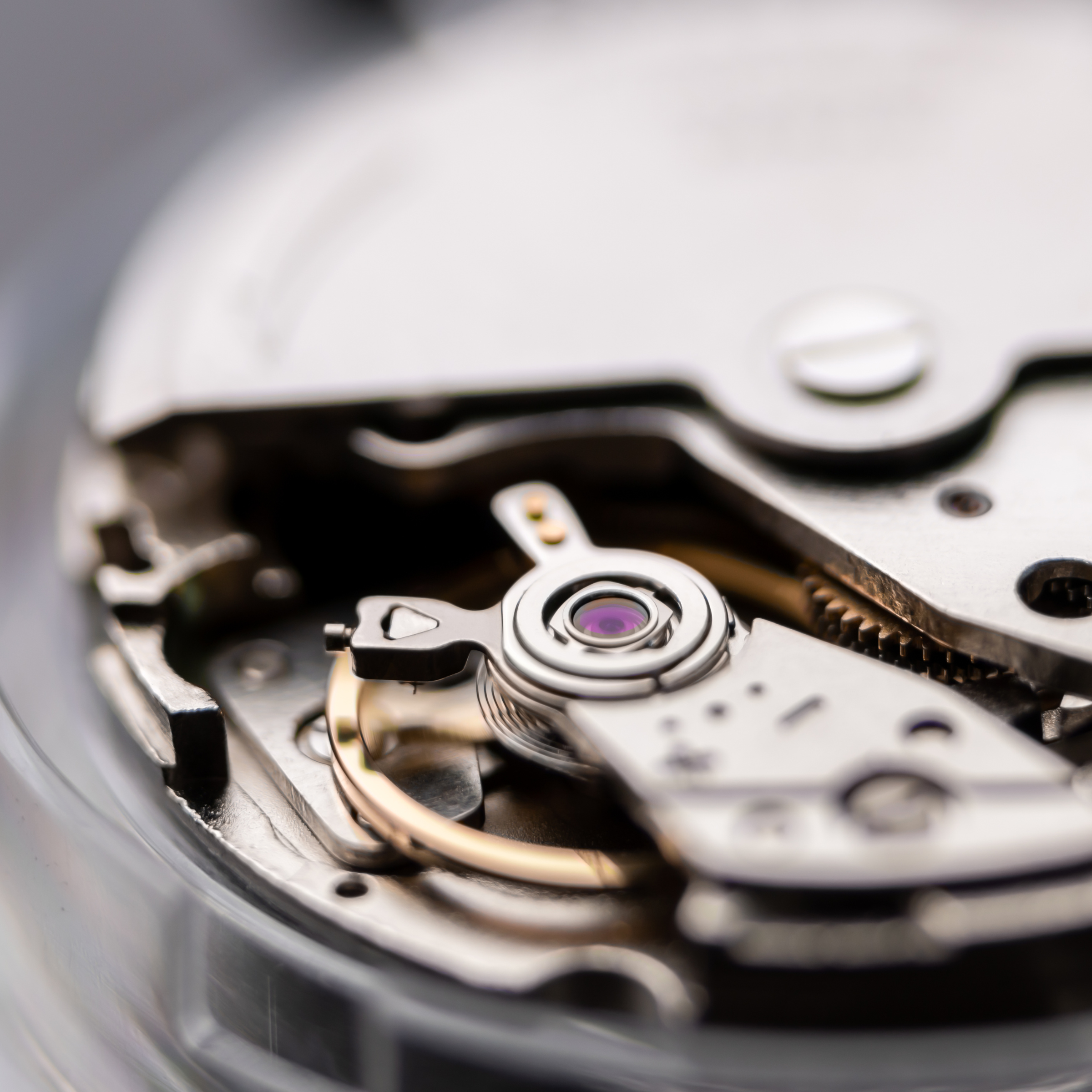

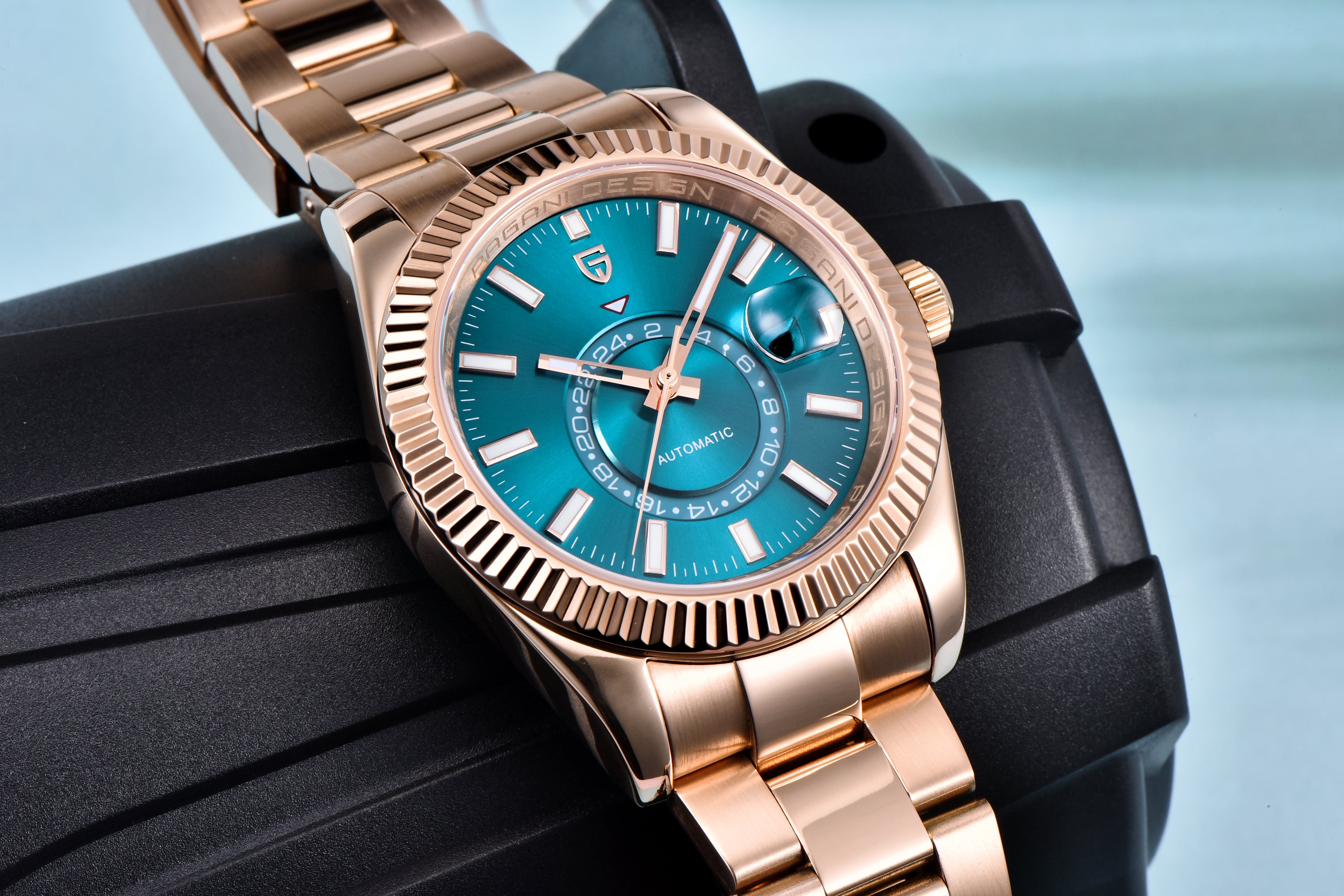

Some watches hide their secrets. Others make a spectacle of them.
Halloween is the one time of year when skeletons take centre stage. But in the world of watchmaking, exposing what lies beneath has been an art form for centuries.
Forget the cobwebs and the haunted houses for a moment. Imagine a tiny mechanical world of gears, springs and wheels, all working together in perfect rhythm. Now imagine removing everything that stands between you and that intricate mechanism. What remains is a watch that doesn't simply tell the time. It invites you to look closer.
At Pagani Design, we have always appreciated the appeal of a watch with character. And few designs capture the imagination quite like a skeleton watch.
Where Did Skeleton Watches Come From?
Long before transparent cases and contemporary watch design became fashionable, watchmakers were already finding ways to reveal the beauty hidden inside their creations.
The origins of the skeleton watch are generally traced back to the eighteenth century. Around 1760, French clockmaker André-Charles Caron is credited with creating an early skeletonised pocket watch, stripping away much of the material surrounding the movement to expose its inner workings. What had traditionally been concealed became part of the design itself.
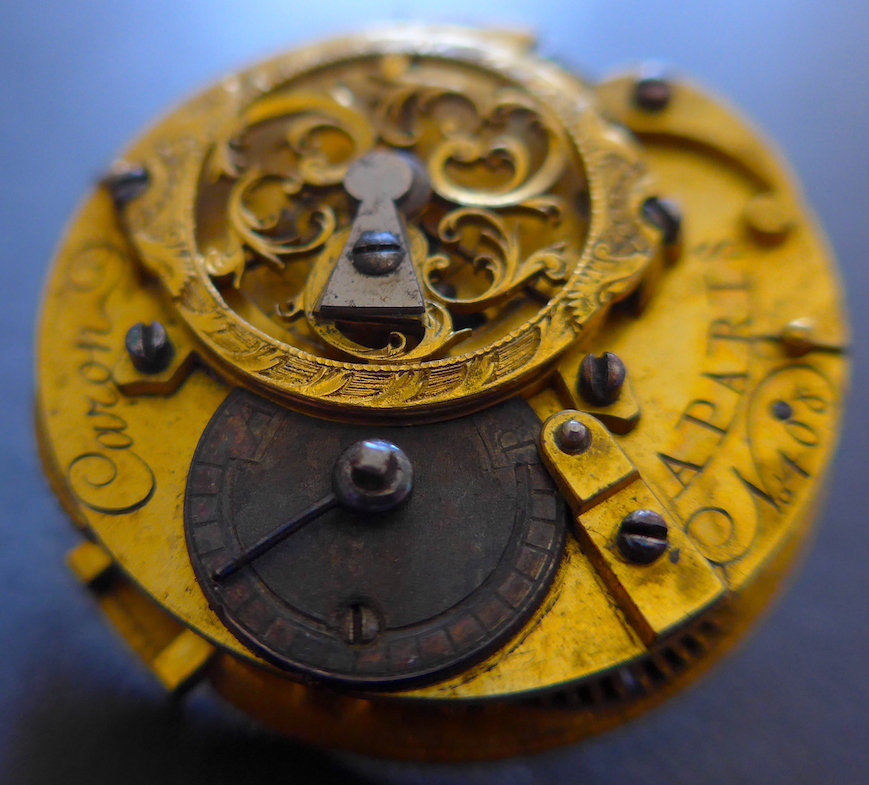
It was a remarkable change in perspective. A watch movement was no longer merely a mechanism to be hidden beneath a dial. It could also be a work of art in its own right.
Over the following centuries, this approach developed into a distinctive branch of horology. Watchmakers carefully removed excess material from plates and bridges, leaving behind the structures necessary for the movement to function while opening up the view of its intricate components.
The result demanded more than an eye for aesthetics. Every part still had a job to do, and exposing the mechanism required careful consideration of both its construction and its appearance.
In other words, making a watch look as though it has nothing to hide is not quite as simple as taking the cover off.
Why Skeleton Watches Are So Fascinating
There is something compelling about seeing how a machine works. We might admire the polished exterior of a finely made object, but discovering what makes it tick adds an entirely different dimension.
That is precisely the appeal of a skeleton watch.
The movement becomes the main attraction. Instead of a conventional dial concealing the mechanism, an openworked design allows the wearer to appreciate the arrangement of gears, bridges and other moving components. Depending on the design, even the smallest details can become part of the visual experience.
Then there is the interplay of light and shadow. Metal surfaces catch the light at different angles, creating depth where a traditional dial would offer a flatter appearance. Dark backgrounds can make polished components stand out, while brighter finishes create a more architectural effect.
And, of course, no two designs need to look alike. Some skeleton watches favour symmetry and restraint; others embrace bold colours, contrasting finishes and a more dramatic presence on the wrist.
Perhaps that is what makes them so enduring. A skeleton watch can be technical without feeling cold, decorative without being superficial, and unconventional without losing the essence of traditional watchmaking.
It is also a fitting choice for Halloween. After all, why settle for a skeleton costume when you can wear the real spirit of the idea on your wrist?
Three Pagani Design Watches Worth a Closer Look
At Pagani Design, our collection offers different ways to explore distinctive watch design, from intricate exposed mechanics to striking colours and bold details. Here are three models worth discovering.
PD-YS018 — Mechanical Complexity on Display
The PD-YS018 puts the intricate appearance of its openworked dial at the heart of the design. Rather than keeping the mechanism out of sight, it invites you to appreciate the complexity that gives a mechanical watch its character.
Its automatic movement, stainless steel case and sapphire crystal bring together the practical elements of a watch intended to be worn, not simply admired from a distance. Available in several colour variations, it also shows how an exposed mechanism can take on a different personality depending on the finish.
It is the sort of watch that rewards a second look. The more you examine it, the more there is to notice.
PD-1638 — A Closer Look at Mechanical Art
The PD-1638 takes a similarly expressive approach to the mechanics of timekeeping. Its skeletonised dial reveals the movement beneath, transforming the watch face into something more intricate than a conventional arrangement of hands and hour markers.
The appeal lies in that contrast between structure and movement: the components that make up the mechanism are also the details that define its appearance.
With its stainless steel case and distinctive openworked design, the PD-1638 is a natural choice for anyone drawn to the more technical side of watch aesthetics. It offers a reminder that the inner workings of a watch can be just as interesting as the exterior.
PD-1653 — For Those Who Prefer to Stand Out
Not every watch needs to make its impression through exposed mechanics alone. Sometimes, it is colour and contrast that do the talking.
The PD-1653 brings a bolder visual approach to the collection, particularly in its striking rainbow-bezel version. Its automatic movement, sapphire crystal and choice of steel or rubber strap options give it a distinctly contemporary character.
It is a different expression of the same idea that makes unusual watches so appealing: a timepiece can be functional while still making a statement. For those who prefer a more daring look, the PD-1653 offers an alternative to the restrained finishes traditionally associated with mechanical watchmaking.
A Little Mystery Never Goes Out of Style
There is a reason skeleton watches continue to attract collectors and curious newcomers alike. They offer something that a conventional dial cannot: a glimpse into the miniature world that makes a mechanical watch possible.
Their history reaches back to the eighteenth century, yet the idea still feels remarkably modern. By revealing rather than concealing, skeleton watches turn engineering into decoration and function into something worth looking at.
And perhaps that is the best connection to Halloween. A skeleton is usually something we associate with what remains after everything else has disappeared. In watchmaking, however, what remains can be the most fascinating part of all.
This Halloween, look beyond the surface. You might discover that the most interesting thing about a watch is everything it has to show you.



Leave a comment
This site is protected by hCaptcha and the hCaptcha Privacy Policy and Terms of Service apply.